Concerned about termites in Toronto? You'll receive swift, unobtrusive identification of common termite signs like tubes, wood damage, droppings, and wings, with comprehensive moisture and entry-point assessments customized for local freeze-thaw cycles and garden setups. We perform structured inspections, photo-documented findings, and specialized solutions complying with local bylaws. Our service features safety-conscious procedures, HEPA-filtered drilling, and discrete vehicles to maintain privacy. We provide regular inspections, entry point protection, and dampness prevention to prevent problems and maintain compliance - discover how we safeguard your property today.
Critical Findings
- Thorough termite examinations of building foundations, under-house spaces, utility access points, and areas prone to moisture, featuring photographic evidence and detailed site maps.
- We implement advanced treatments including subterranean bait installations, targeted termiticide treatments to affected areas, and careful wood treatments following Canadian regulatory requirements.
- Protection and monitoring measures: repair and seal entry points, maintain 6-8 inches foundation-to-wood distance, manage moisture levels, and set up periodic seasonal checks with GPS-marked monitoring stations.
- Professional and confidential assistance for residential and commercial properties: offering discreet service vehicles, after-hours visits, child and pet-safe placements, controlled HEPA drilling systems, and adherence to local regulations.
- Complete documentation provided including detailed tracking information, safety documentation, lot identification, exposure guidelines, plus timeline specifications and recommendations for preventive sealing.
Signs of Termite Infestation in Toronto Homes
While termites typically remain concealed, you may notice early indicators before structural damage becomes severe. Look for slender mud tubes along foundations, joists, and sill plates. Inspect concerning wood areas; it may sound hollow or give way easily. Spotting discarded, identical wings close to window sills or light fixtures indicates a recent swarm. Look out for small frass deposits or gentle swelling within drywall and subfloors.
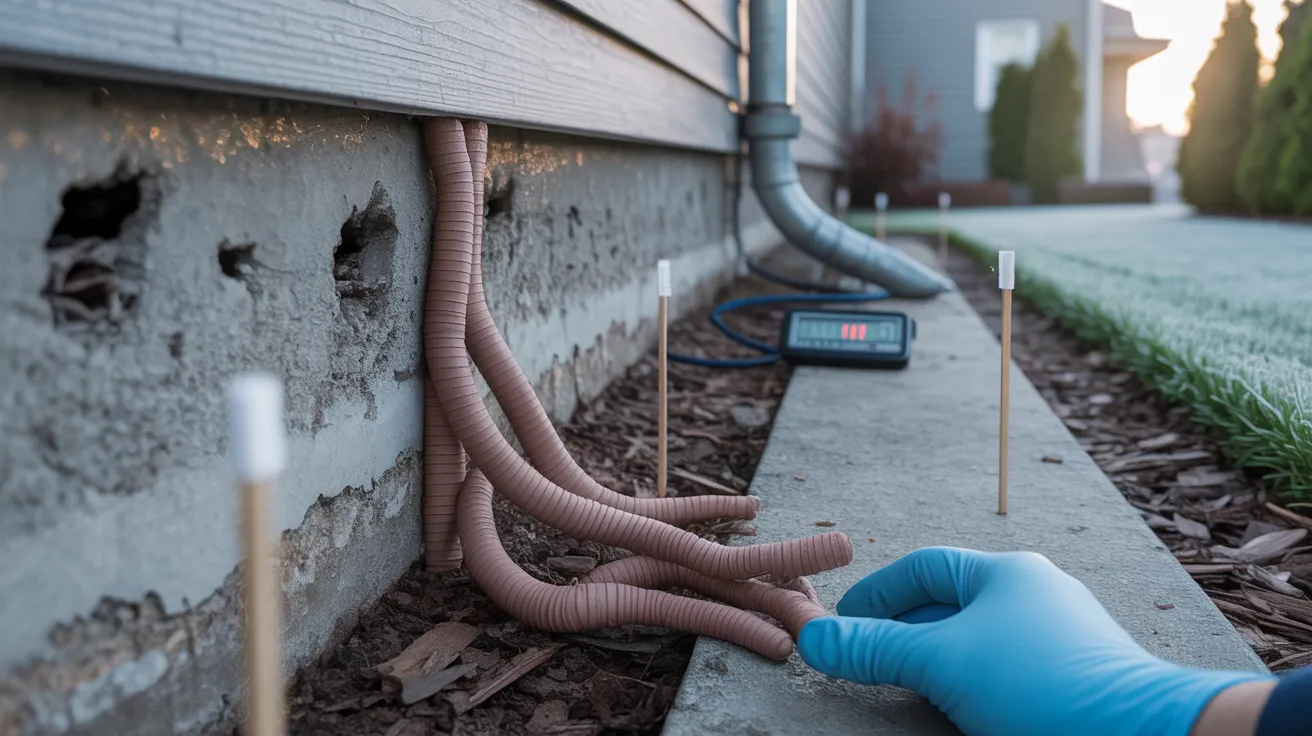
On the exterior, inspect for muddy footprints or soil marks near access points, especially where ground level meets the siding. In basement areas and crawl spaces, examine ventilation and monitor relative humidity. When using moisture meters, note any readings exceeding 20%, which can correlate with favorable conditions and hidden galleries.
To ensure safety, refrain from disrupting affected zones. Take pictures of evidence, identify the spots, and get in touch with a certified pest control specialist for an assessment that follows Ontario regulations.
Understanding How Local Conditions Affect Pest Problems
Toronto's freeze-thaw climate, combined with saturated soils, mature residential structures, and concentrated urban vegetation generate ideal conditions for pest and termite problems. You face elevated risks since continuous freezing and thawing damage building foundations, opening sub-grade entry points. Moisture-rich clay soil preserve soil moisture that supports termite activity and accelerates wood decay. City heat retention elevate ground temperatures, prolonging pest active periods and reducing winter dormancy.
Deteriorating buildings and aging utilities form routes through degraded wood bases, failing plumbing, and historic stone foundations that form hidden areas where moisture meets organic materials. Dense mulch deposits near exterior surfaces preserve dampness at soil-wood intersections. Weather events overwhelm drainage systems, forcing pests to seek shelter in buildings. To meet Ontario construction and health requirements, prioritize water control, entry point protection, and adequate plant clearance to manage these property-related concerns.
Our Complete Inspection and Treatment Methodology
These Toronto-specific challenges call for a methodical response, therefore our team implements a thorough evaluation and treatment system that meets Ontario Building Code and public health guidelines. To begin, we perform a systematic assessment of: exterior foundation, sill plates, utility penetrations, crawlspaces, and moisture-prone zones. We record wood damage, live activity, conducive conditions, and access locations, then record observations to a location diagram.
You receive a risk-ranked action report with safety documentation and product information. Where structure allows, we install strategic bait stations at compliant intervals, using secure bait stations and tracking devices. For current pest activity, we apply specific pest control solutions to voids and soil contact points, following label rates and setback requirements. We regulate ventilation, contain dust, and safeguard people, animals, and plants while maintaining comprehensive records and visual documentation.
Year-Round Monitoring and Prevention Strategies
Because termite presence in Toronto fluctuates with moisture patterns and soil temperatures, it's essential to have a protection approach that integrates structural strengthening with year-round monitoring under Ontario and federal pesticide regulations. Initialize by sealing slab gaps, utility entries, and sill plates; maintain 6-8 inches of space between soil and wood. Pair these actions with moisture regulation: fix plumbing issues, direct downspouts 2-3 meters from the foundation, and hold crawlspace humidity below 60% with vapor barriers.
Arrange seasonal inspections aligned with annual weather transitions. Position in-ground monitoring stations according to specified distances and record GPS locations for consistent data. Record pest activity levels, treatment uptake, and conducive conditions. Adjust interventions to IPM principles, emphasizing low-risk solutions and detailed recordkeeping to meet Ontario PMRA and WHMIS requirements.
Confidential and Safe Solutions for Houses and Companies
Often, you need termite control that protects individuals, animals, and business functions with minimal visibility. We develop discrete protocols that comply with Ontario and federal pest control regulations, emphasize occupant safety, and maintain business continuity. We provide confidential inspections, confidential consultations, and flexible timing options to limit business impact.
We utilize targeted baiting systems, HEPA-certified drilling, and localized wood treatments verified by product labels and Safety Data Sheets. Our child-friendly solutions and pet-conscious placement follow re-entry intervals and ventilation requirements. Our staff operates plain service vehicles and secure waste handling as per city ordinances.
We thoroughly track each phase: location hazard assessment, product batch numbers, and containment procedures. We provide clear summaries, treatment deadlines, and preventative sealing guidelines-ensuring quiet, standard-meeting, and successful termite removal without drawing attention to the activity.
Common Questions
What Effect Do Termite Treatments Have on Home Resale Value and Disclosure Requirements?
Documenting termite treatments can protect property value, but past termite activity could affect resale potential and trigger disclosure requirements. You must report known damage, historical activity, and repairs; potential buyers often ask for permits, treatment records, warranty information, and clearance documents. Always use licensed professionals, follow safety protocols, and maintain detailed records of treatments, dates, and ongoing monitoring. Pre-sale inspections and transferable warranties can reduce stigma, support financing requirements, and facilitate property evaluations and negotiations.
Are Termite-Related Damages Included in Toronto's Standard Home Insurance?
Standard home insurance policies in Toronto typically don't cover termite damage. get more info Insurance providers classify this as preventable maintenance, which falls under standard policy exclusions. You should thoroughly examine your policy wording and endorsements, as most policies exclude slow-developing vermin damage. Maintain inspection records and document all preventive measures to prove responsible homeownership. In rare cases, you might be covered when an infestation results in unexpected collapse, this rarely happens. Consult with your insurance advisor and adhere to Ontario's disclosure regulations.
Which Licenses and Certifications Are Needed for Toronto Termite Companies?
A qualified pest control service in Toronto must possess a valid Ontario pesticide operator licence and have certified technicians operating under IPM standards, and use licensed inspectors certified in the Structural Pest Management scope. It's important to check their WSIB coverage, liability insurance, and WHMIS/GHS training. Confirm that all technicians keep valid MOECP certifications and adhere to label, drift, and notification rules. Ask for written inspection reports, treatment records, and safety data sheets. Verify their adherence to municipal bylaws and waste-disposal guidelines.
Do You Work With Condo Boards and Property Managers?
Without a doubt, we coordinate with condo boards and property managers like it's mission control for a moon landing. You'll receive efficient Board Coordination, comprehensive scopes, and compliant communications. We take care of entry coordination, access credentials and tenant communications to comply with bylaws and fire code requirements. We ensure WSIB/COI, maintain IPM protocols, and handle safety signage. We deliver service documentation, Material Safety Data Sheets, and post-treatment reports to keep everyone informed, safe, and inspection-ready.
Are Payment Plans or Financing Available for Major Termite Treatment?
Yes. You can opt for flexible payment options for comprehensive termite services, based on credit approval and written agreement terms. We'll present staged payments corresponding with inspection and treatment stages, with flexible pricing based on service extent and structure size. All costs are transparent, comply with provincial consumer protection rules, and copyright safety standards. We'll provide detailed quotes, warranties, and MSDS/label documentation, and payment options include ACH, credit card, or certified draft.
Conclusion
You've noticed the warning signs-mud tracks like small roadways, hollow-sounding timber, frass scattered like pepper. Don't delay for the quiet invaders to damage your investment. With Toronto's humidity variations and mature properties, you need an complete strategy that inspects, treats, and monitors year-round. We adhere to application protocols, IPM best practices, and municipal guidelines to protect residents, animals, and buildings. Choose discreet, evidence-based termite control that secures vulnerable areas and maintains vigilance like a guardian at your property's base.